
5 Criteria to Consider When Choosing a Vacuum Pump
Flow rate, vacuum level, process type, duty cycle, and maintenance: the essential criteria to evaluate when selecting the right vacuum pump.
Read More →
Technical articles prepared by our engineering team on product selection, maintenance and application.
Flow rate, vacuum level, process type, duty cycle, and maintenance: the essential criteria to evaluate when selecting the right vacuum pump.
Read More →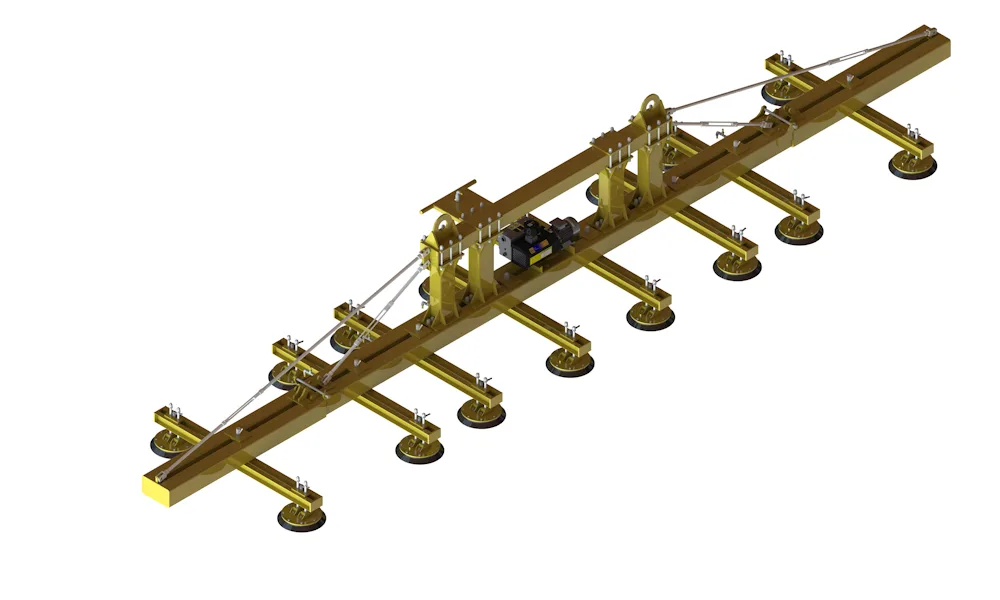
Glass, marble, and granite slabs are both heavy and fragile. Handling with chains and slings increases the risk of edge chipping and scratching, while...
Read More →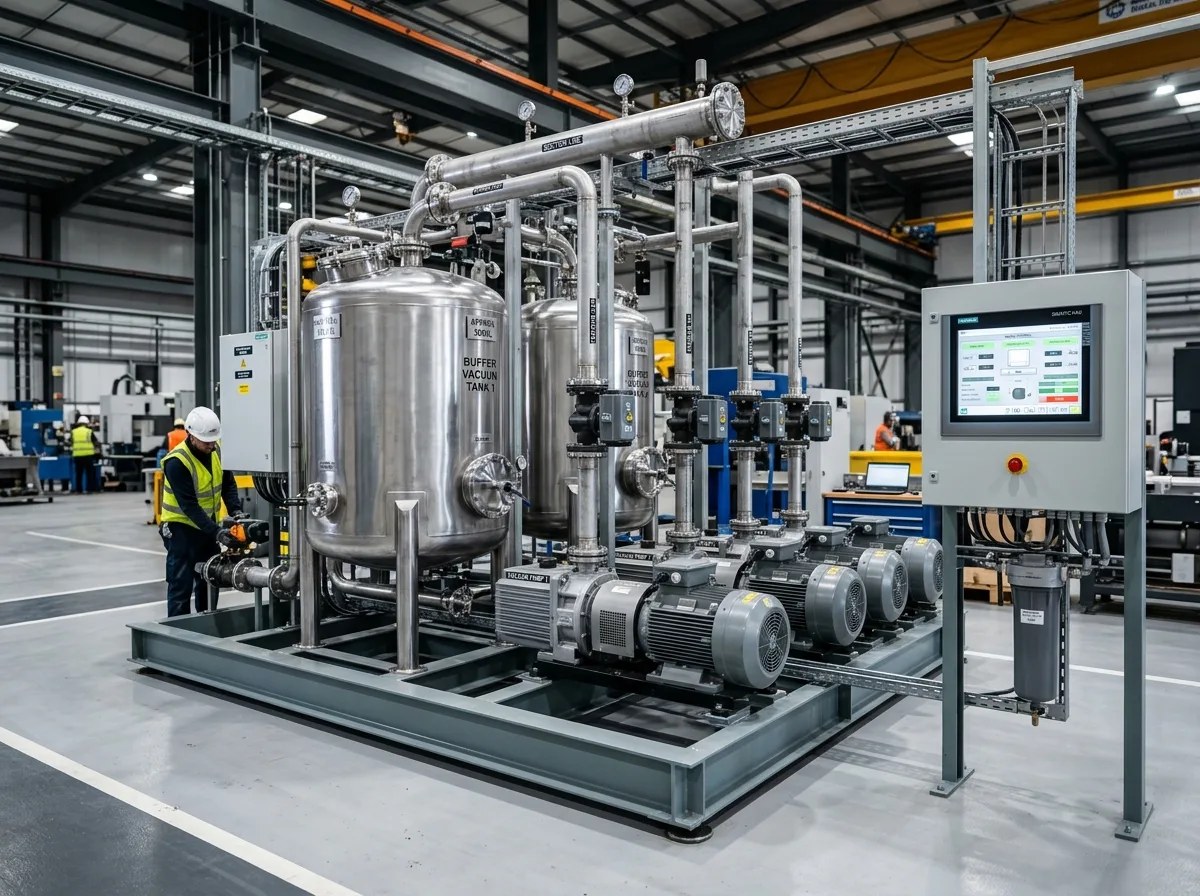
Properly dimensioned pumps and tanks only operate efficiently with a well-designed piping system. A significant portion of common issues in central va...
Read More →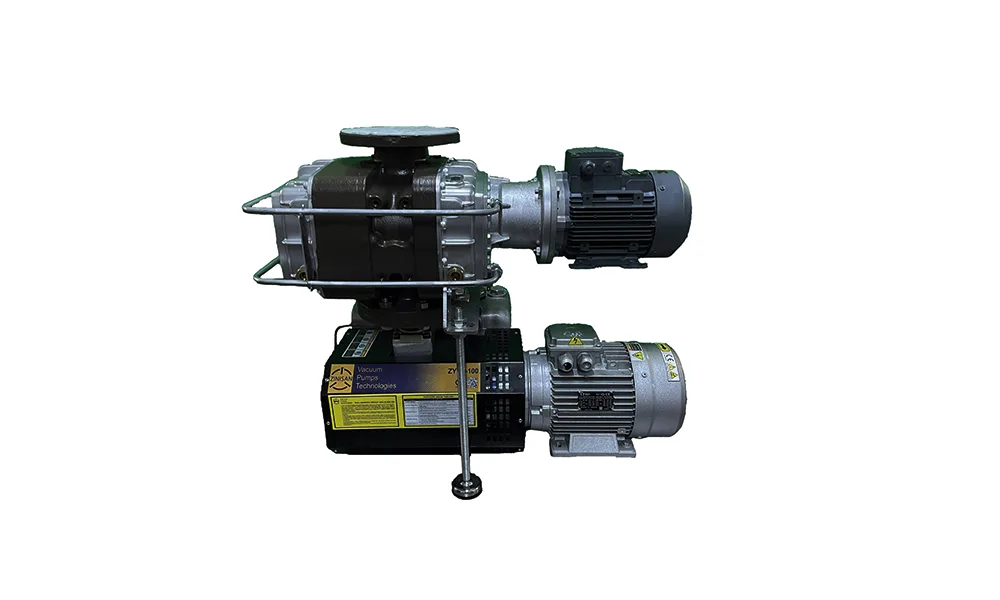
Roots-type blowers operate continuously for many years with proper maintenance. In applications where a blower stoppage affects the entire process, su...
Read More →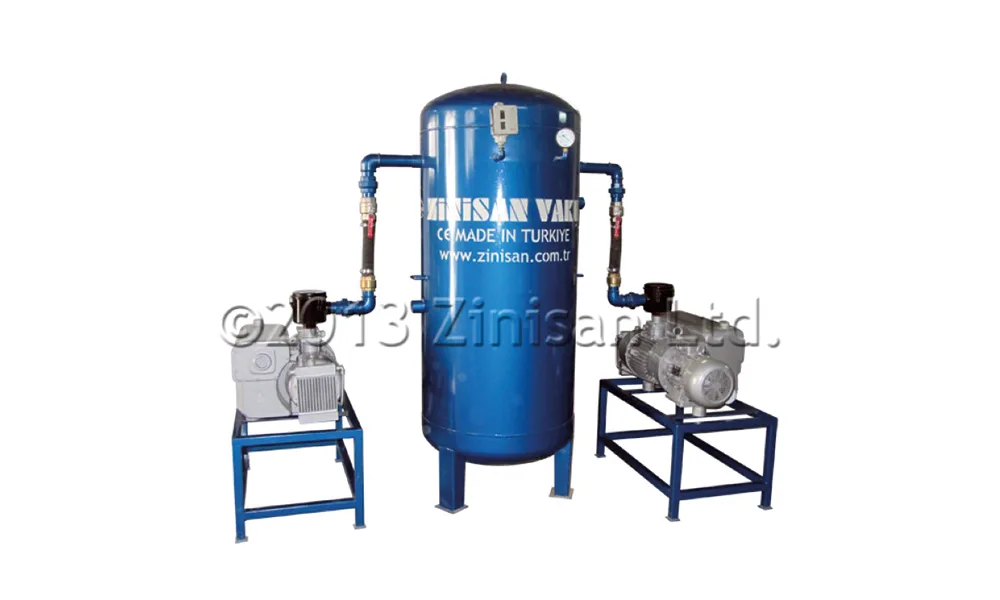
There are two fundamental decisions in the design of a central vacuum system: the volume of the vacuum tank and the number and capacity of the pumps t...
Read More →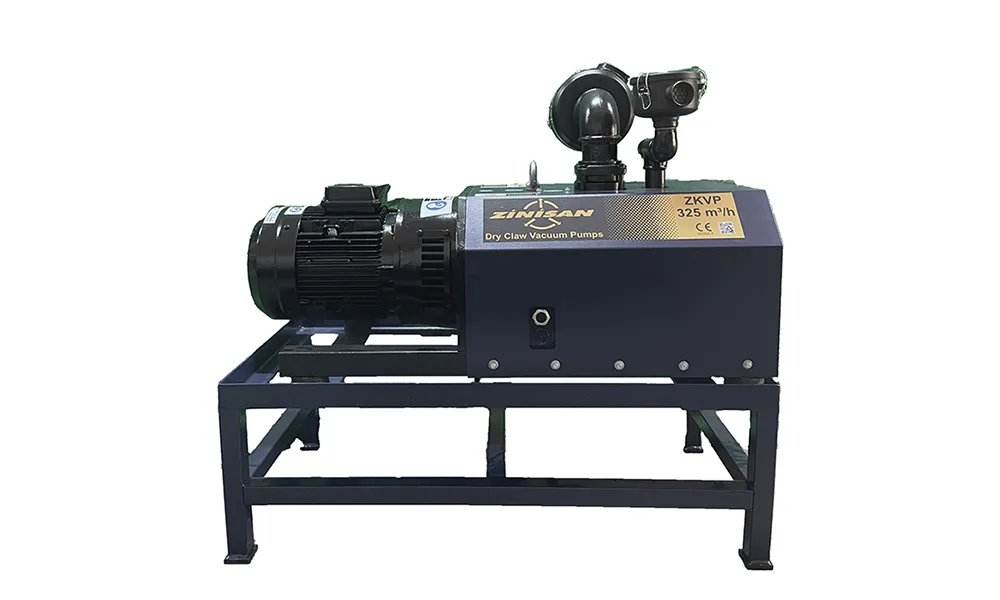
Dry-type claw vacuum pumps contain no oil in the compression chamber. Two claw-shaped rotors, rotating without contacting each other, draw in, compres...
Read More →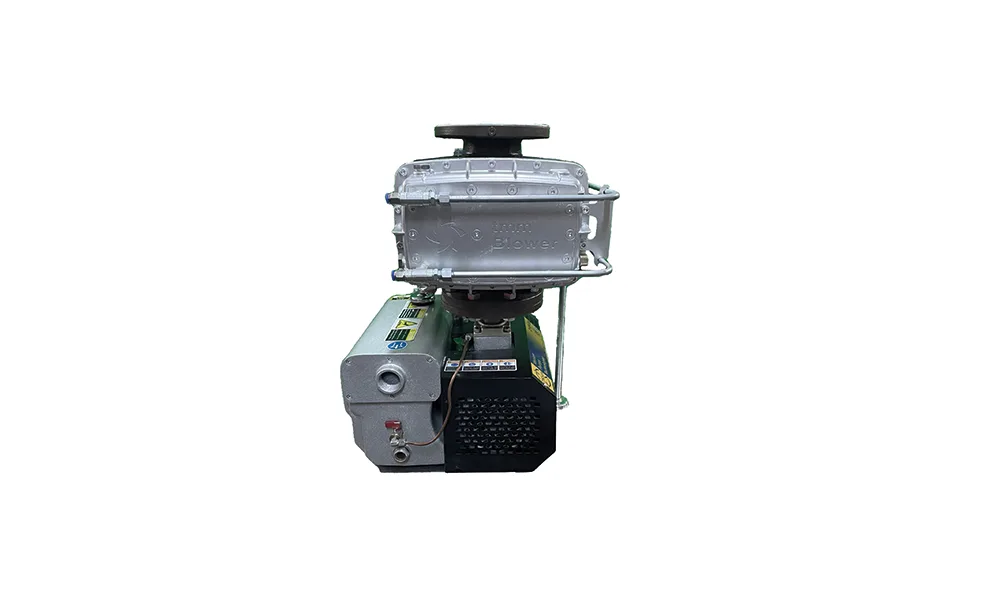
In biological wastewater treatment plants, aeration accounts for one of the largest shares of the plant's total energy consumption. The air suppl...
Read More →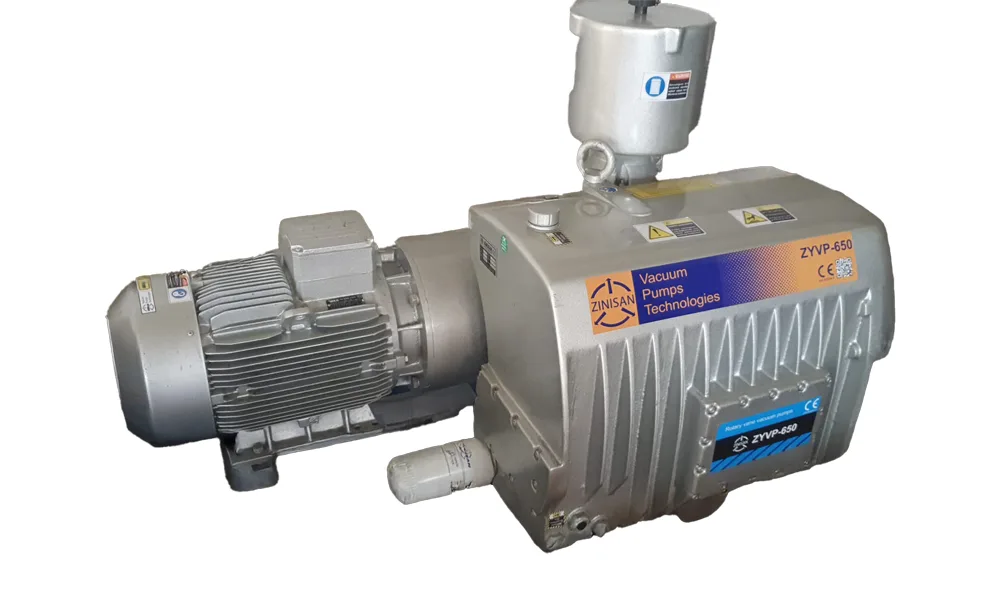
In oil-lubricated (rotary vane) vacuum pumps, oil not only provides lubrication, but also seals the clearance between the vanes and the housing, and d...
Read More →
In many factories, vacuum requirements are met by placing a separate pump next to each machine. As the number of machines increases, this approach bri...
Read More →