The three most common values encountered in vacuum pump catalogs are flow rate, ultimate vacuum, and motor power. Knowing what these values mean prevents you from selecting a pump that is oversized or inadequate for your application. In this article, we explain these concepts in simple terms.
Flow rate (suction capacity)
Flow rate is the volume of gas the pump can evacuate per unit time and is generally expressed in m³/h. The higher the flow rate, the faster the chamber or line reaches the desired pressure. In applications such as packaging machines, CNC tables, or drying ovens, this is the primary value that determines the cycle time.
The flow rate value in the catalog is the nominal value measured at atmospheric pressure. As the pressure drops, the actual suction speed of the pump decreases; therefore, when making a selection, it is necessary to consult the flow rate curve at the operating pressure.
Ultimate vacuum
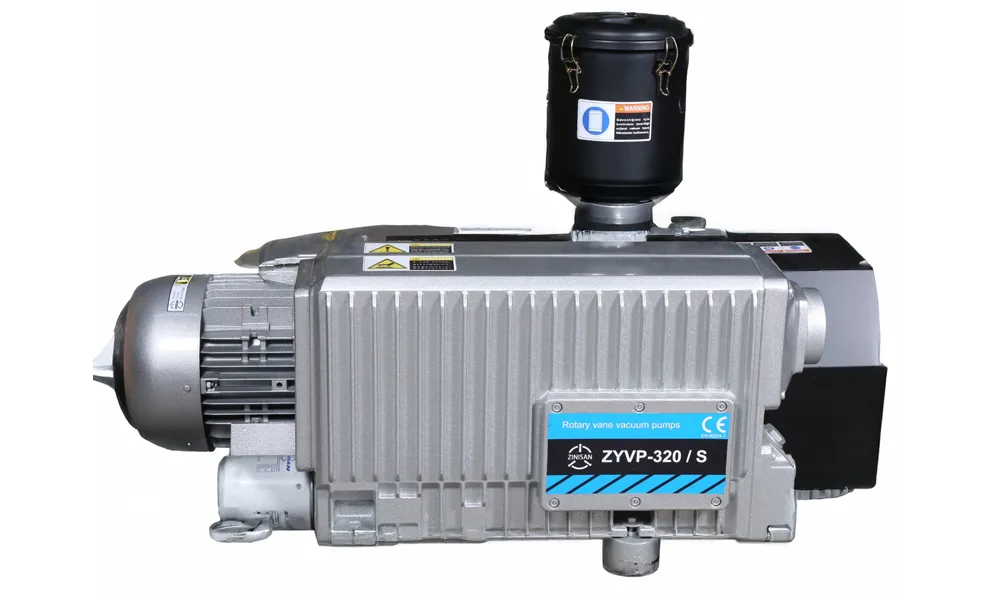
Ultimate vacuum is the lowest pressure to which a pump can evacuate a closed chamber. It is given as absolute pressure in mbar or relative to the atmosphere in mmHg. For example, oil-lubricated ZYVP series pumps can reach down to 2 mbar absolute pressure, while in the dry-type ZKV series, the value is given as 680 mmHg. Since the two units are based on different references, they should not be compared directly.
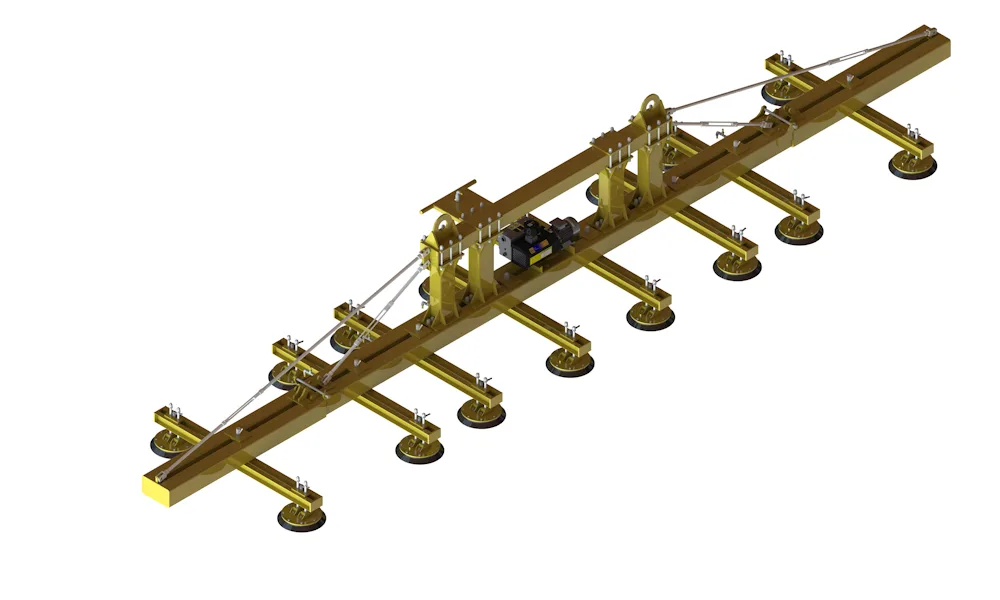
If your application does not require low pressure, selecting a pump with an extremely high ultimate vacuum provides no additional benefit. For instance, in vacuum gripping and handling applications, a medium vacuum level is usually sufficient.
Motor power and energy consumption
Motor power increases in conjunction with flow rate and vacuum level. In systems where the pump does not run continuously at full capacity, start-stop control via a frequency inverter or a vacuum switch significantly reduces energy consumption.
Information required for the correct pump
- Volume of the chamber or line and the desired evacuation time
- Operating pressure (as absolute mbar)
- Evacuated medium: dry air, moisture, vapor, or dust
- Daily operating hours and ambient temperature
When you contact us with this information, we can jointly determine the pump type and model suitable for your application.