When transporting heavy materials with flat surfaces such as sheet metal, glass, or marble, vacuum lifting units provide much faster and safer operations compared to classical methods such as crane hooks, chains, and slings. However, choosing the right unit goes beyond merely looking at the tonnage of the heaviest part to be lifted. In this article, we summarize the main criteria you should consider when making a selection.
1. Weight and dimensions of the load to be lifted
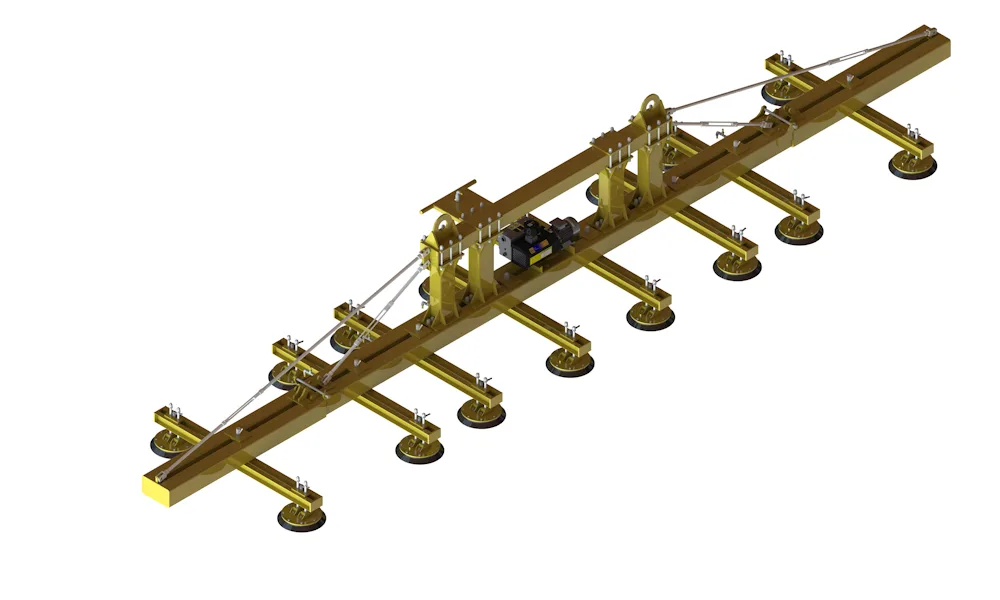
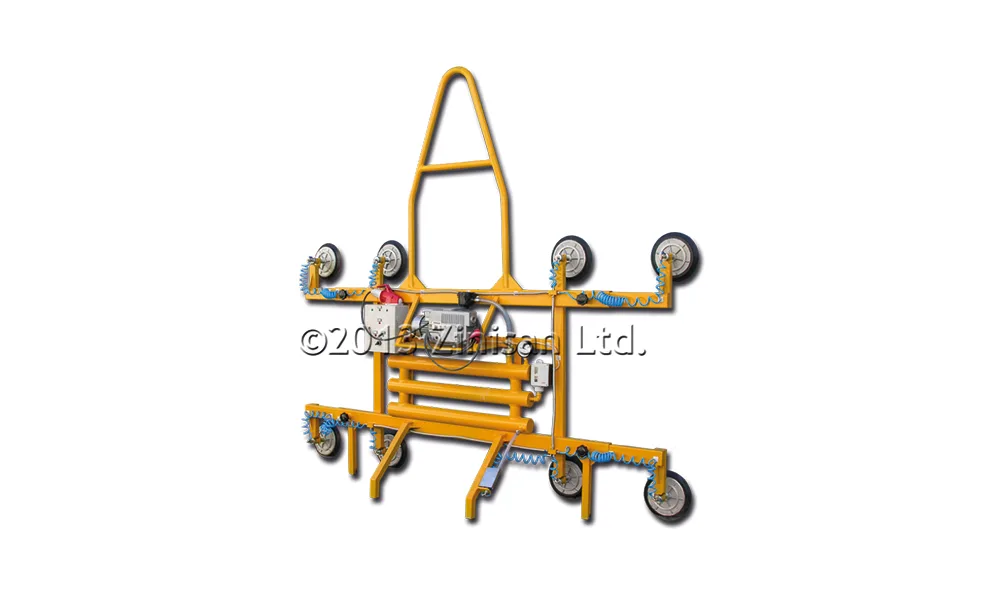
The first step is to determine the weight and dimensions of the heaviest and largest part to be transported. The lifting capacity should be selected to leave a safety margin above this value. Zinisan Vaculift series are manufactured in various capacities ranging from 1 ton to 10 tons; Vaculift 4T, 7T, and 10T models are designed for sheet metal and metal plates, while Jumbo and PTR models are designed for transporting and tilting glass panes.
The dimensions of the part are just as important as its weight. Long and thin sheets bend during transport; therefore, the length of the suction pad crossbeam and the number of suction pads must be determined to prevent material sagging.
2. Surface structure
The grip of the suction pad depends on the surface being smooth and airtight. Flat sheet metal, glass, and polished stone surfaces yield ideal results. Vacuum loss may occur on oily, dusty, perforated, or very rough surfaces; in this case, the suction pad type and vacuum volume must be selected accordingly. It is important to use appropriate suction pad gaskets for challenging surfaces such as ship plates entering sandblasting and painting lines.
3. Power source and safety
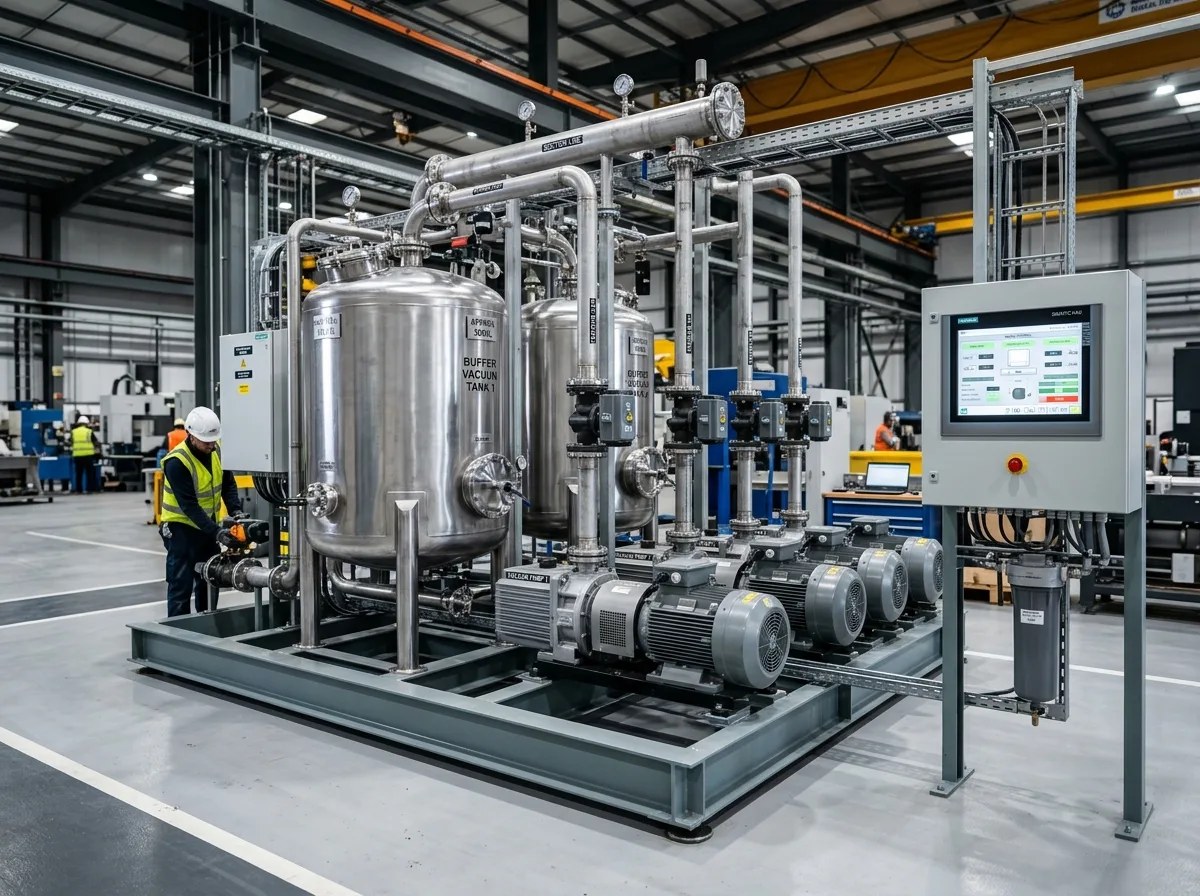
Units can operate with 220V or 380V AC mains or with a battery system. The most critical point in selection is that the load does not drop when the power fails. In Zinisan Vaculift units, ZYVP vacuum pumps and large-volume vacuum tanks work together; the tank maintains sufficient vacuum for a period to safely lower the load in the event of a power outage. Systems that provide audible and visual warnings when the vacuum level drops notify the operator in time.
4. Working environment and frequency of use
A line that continuously loads sheet metal onto laser cutting or CNC machines does not have the same requirements as a warehouse where parts are transported a few times a week. In lines with high frequency of use, a pump that quickly creates a vacuum and an easily operated control unit directly increase efficiency.
For the right choice
When you contact us with the type, dimensions, weight of the material to be lifted, and the crane information to be used, our engineering team will jointly determine the most suitable Vaculift model and suction pad arrangement for your application.