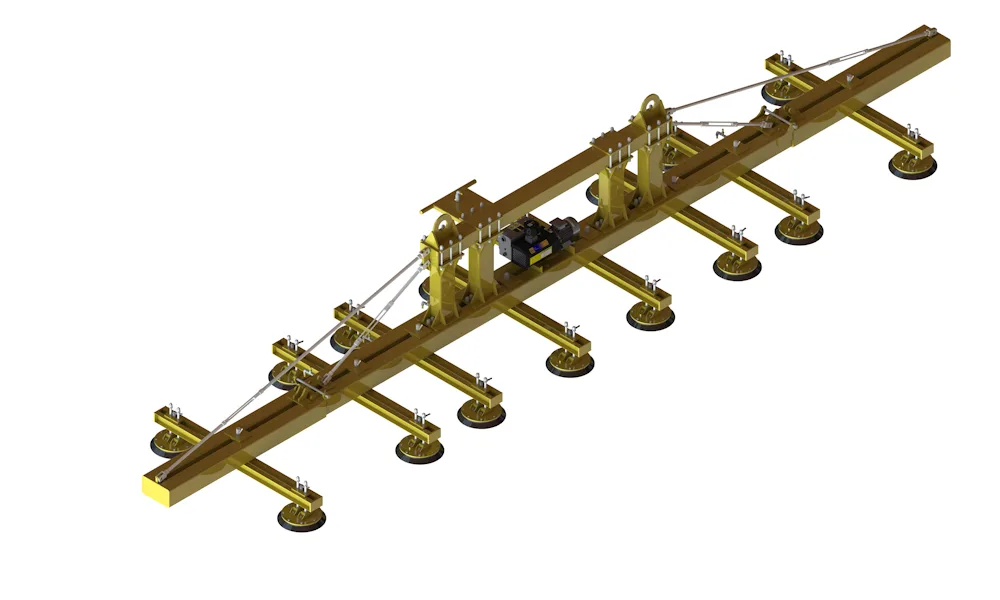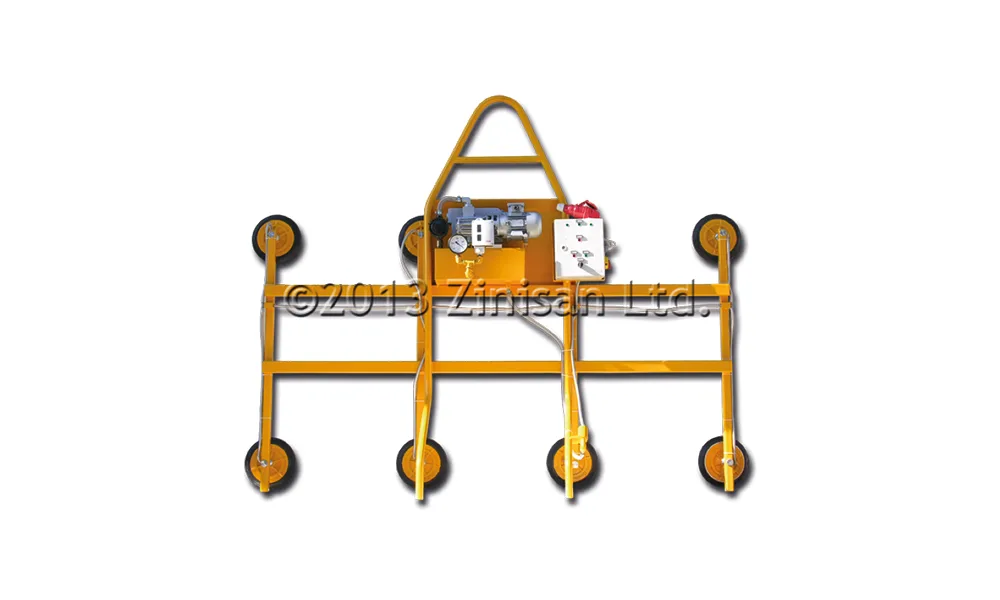
Vacuum lifting units make it possible to handle heavy loads with a single operator. Maintaining this operational ease safely depends on regular maintenance and proper usage habits. The following checklist includes the essential steps for the long-lasting and safe operation of the unit.
Pre-shift checks
- Suction pad seals: Check for cuts, cracks, or hardening. A damaged seal is the most common cause of vacuum loss.
- Vacuum gauge: Verify that the vacuum reaches the operating level within the normal time when the unit is started.
- Warning system: Test that the low vacuum warning (audible/visual) is functioning.
- Hose and connections: Ensure there are no crushes, fractures, or loose connections.
Periodic maintenance
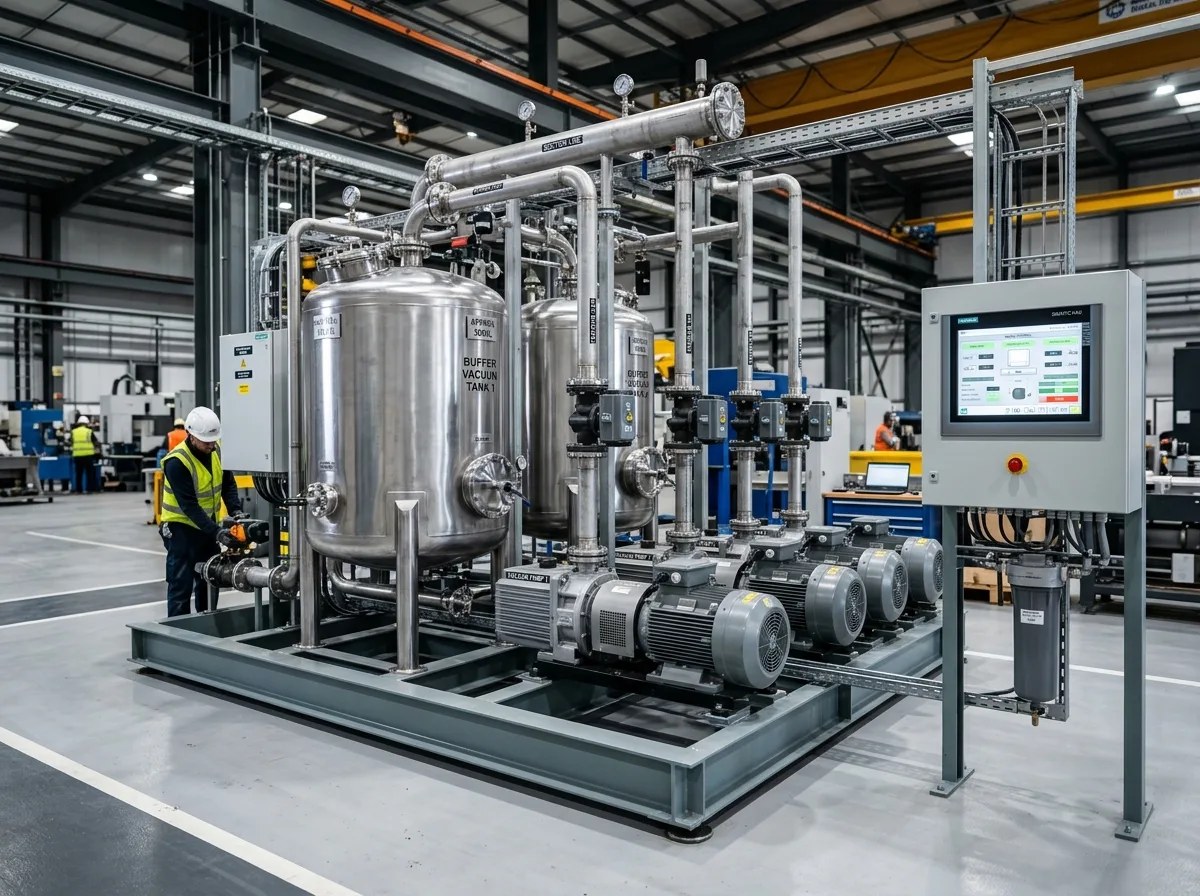
If the vacuum pump on the unit is of the lubricated type, the oil level and color should be checked regularly, and the oil and filters should be replaced at intervals recommended by the manufacturer. Moisture and contamination accumulated in the vacuum tank should be drained, and the suction filter should be cleaned. For battery-powered models, the battery charge status and charger should be checked.
At least once a year, the capacity and safety test of the unit must be performed by authorized service. This test verifies that the unit can safely lift the capacity stated on its label and hold the load in the event of a power failure.
Safe operating rules
- Never exceed the lifting capacity stated on the label.
- Wait for the vacuum to reach the operating level before lifting the load.
- Ensure that no one is under the load or in the operating area.
- Do not raise the load higher than necessary; transport it as close to the ground as possible.
- Position the suction pads in balance with the center of gravity of the load.
Service and spare parts
Replacing consumables such as suction pad seals, filters, and pump oil with original parts preserves the safety performance of the unit. Zinisan service team provides periodic maintenance and on-site testing services for your Vaculift units.